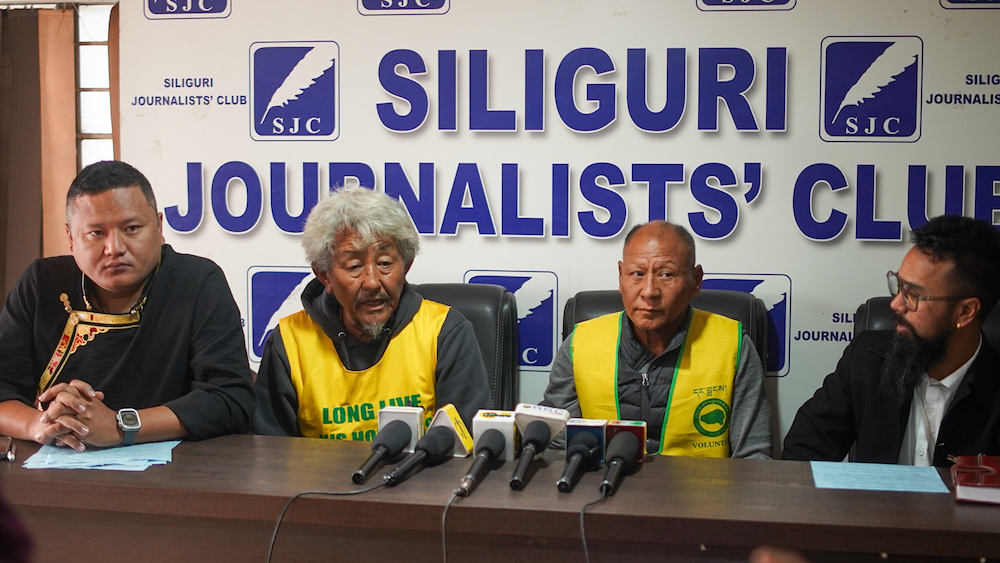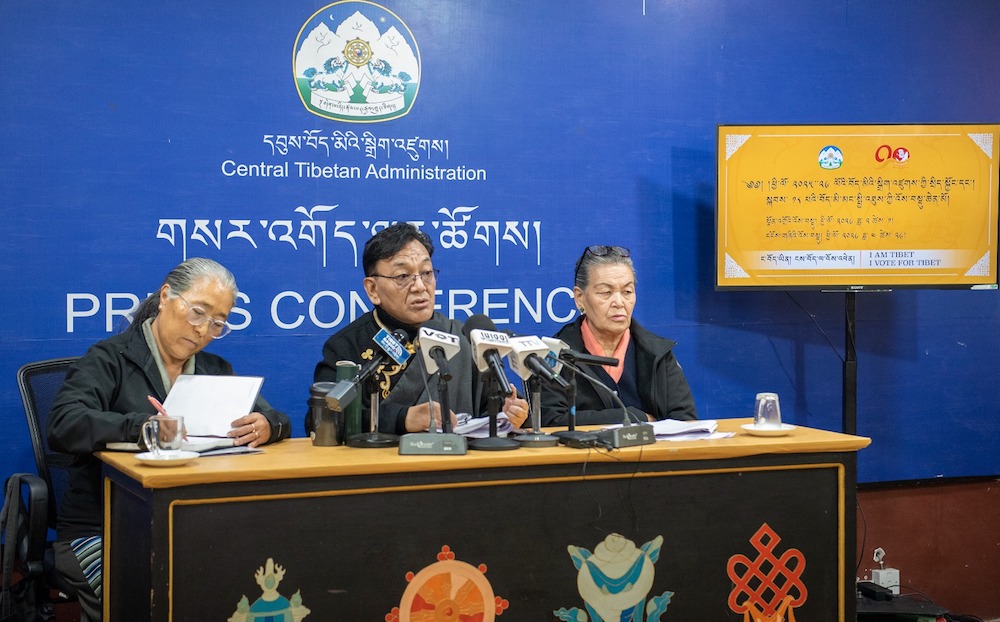

 Dharamsala, February 5 – “Hope for the best but plan for the worst” is the rallying cry as the Kashag grapples with the task of making the Tibetan settlements more functional and viable with the view of retaining the young educated workforce in the settlement.
Integrated Development Plan-III (IDP-III) was formulated as the tool of choice in the war against the sweeping changes in the socio-economic and demographic setting of the exile Tibetan populace.
The mission is to “To sustain the Tibetan settlements and communities in exile while preserving the unique cultural identity through institutionalising planning processes”.
The broad strategies laid out in the IDP-III were reinforced with concrete and practical guidelines for its execution at the grassroots level.
Along with the respective departments and settlements, a series of projects and programmes were formulated in the key areas identified for development activities.
One main strategy was to impart skills of integrated development planning to the decision-makers in the settlements and work out separate development plans for each settlement.
Last month, the Planning Commission held the first of a series of workshops in Bylakuppe.
In a six-day workshop, 24 participants from central and southern India, also comprising regional staff of the departments of Home, Education and Health, were imparted theoretical and practical aspects of integrated development planning and tools of project management tools.
Special talks were also organised for the group and camp leaders of Lugsung and Dickey Larsoe settlements in Bylakuppe, in which the Chief Planning Officer, Dr. Kunchok Tsundue, made a detailed presentation of IDP-III and its programmes.